Spotting the common warning signs
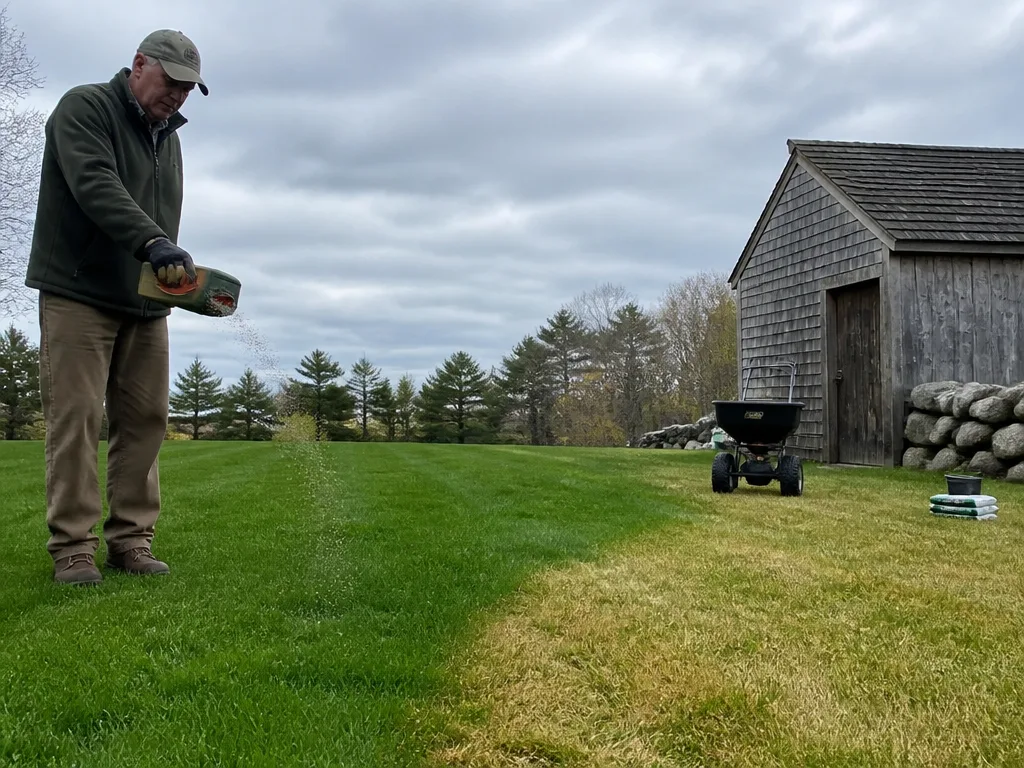
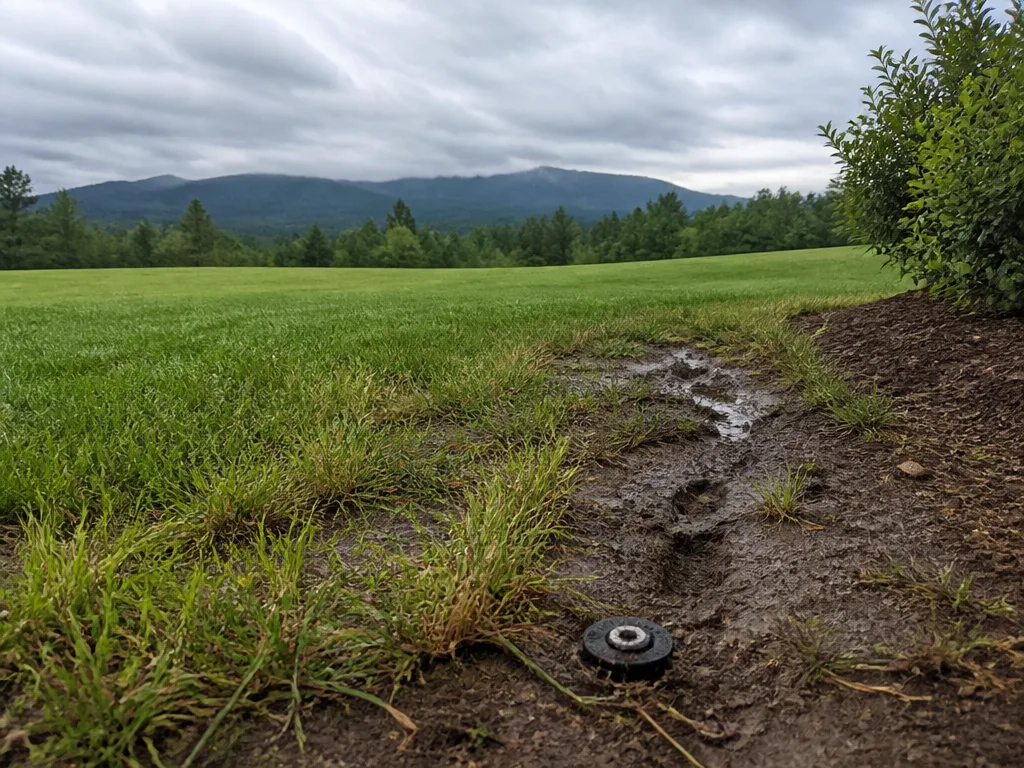
Across New Hampshire, lawn care specialists often see the same early flags. Patchy gray or brown spots that start small can be caused by drought stress, compacted soil, or uneven nutrient levels. Wilting during a sunny stretch and a blue-green or dull color can also hint that roots aren’t taking up water well. If you notice thin, sparse growth in the early season, that’s another sign something isn’t right beneath the surface.
Another frequent indicator is soil that feels unusually hard when you walk on it. Compacted soil makes it hard for air, water, and roots to move through the profile. You may also see excessive thatch buildup or a weed flush that doesn’t respond to basic care. In New Hampshire, wet springs followed by hot stretches can push these issues to the front faster than you expect.
What to check in your yard
Look at color consistency across the lawn. If some areas stay green while others go pale, that’s a clue the root zone isn’t balanced. Check for shallow roots near the surface in bare patches; lifting a thin blade of grass should reveal a fairly dense root system. If you pull on the grass and it comes up easily, you may be dealing with weak roots or soil that's too dry or compacted.
Note patterns like rings or crescent shapes. Those can point to drainage problems, soil compaction, or irrigation gaps. In New Hampshire, irrigation coverage matters because dry spells touch many regions differently. A quick walk around your property after a rainfall helps you gauge whether water is moving through the soil evenly.
Simple steps you can take now
Start by measuring soil moisture with a simple probe or a small trowel. If the top 3 inches feel dry in the heat, consider a light irrigation tweak and avoid overwatering. Aeration can relieve compaction and help roots breathe. A one-time fall aeration combined with a light seeding plan is a common New Hampshire approach for revitalizing tired lawns.
Pulling back thatch and removing debris helps light, air, and water reach the root zone. If you’re unsure about the mix of nutrients your lawn needs, a soil test from a local lab can guide you. In New Hampshire, fall is a practical window for soil testing and applying the right improvements ahead of winter.
When to call a lawn care specialist
If patchy growth covers more than a quarter of your lawn or if you see persistent drought stress despite regular watering, it’s time to call in a pro. Our team at New Hampshire Stump Removal can assess soil, moisture, and nutrient balance across the state. We’ll tailor a plan that fits your property and the New Hampshire climate.
Early intervention can save your lawn from long-term damage. A lawn care specialist will explain options for aeration, seeding, and the right nutrient mix, all aligned with statewide conditions. Reach out for a free phone consultation and a clear next step across New Hampshire.